
The Crum Family
Discover
Stories
A Crum Family History
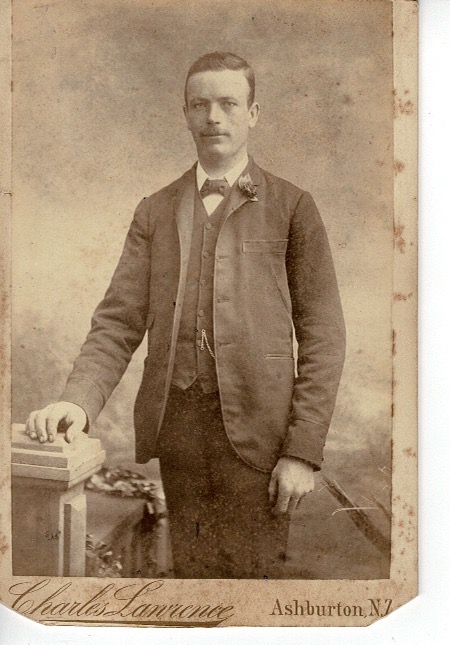
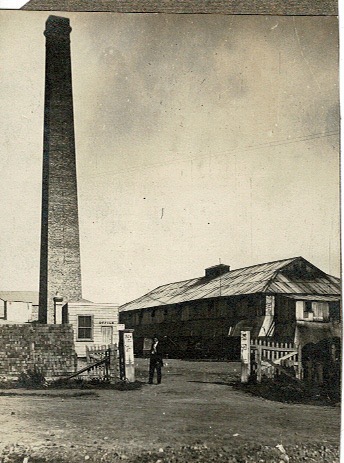
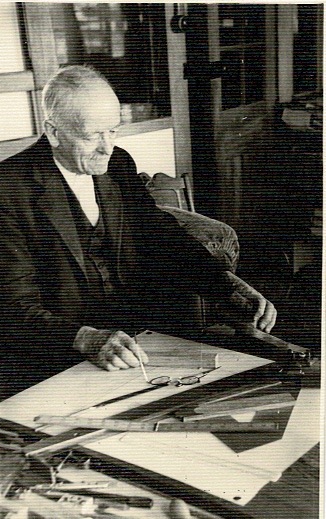
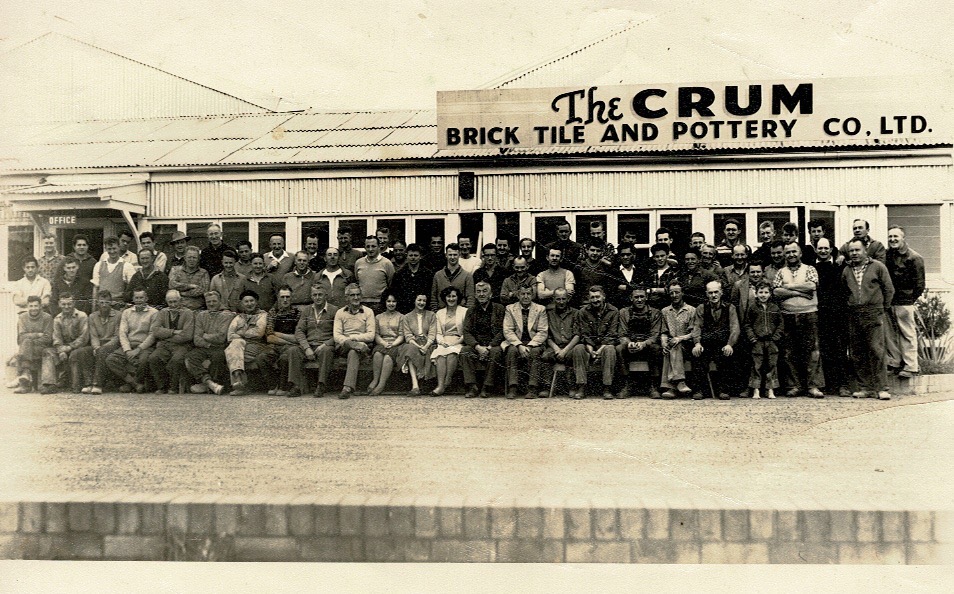
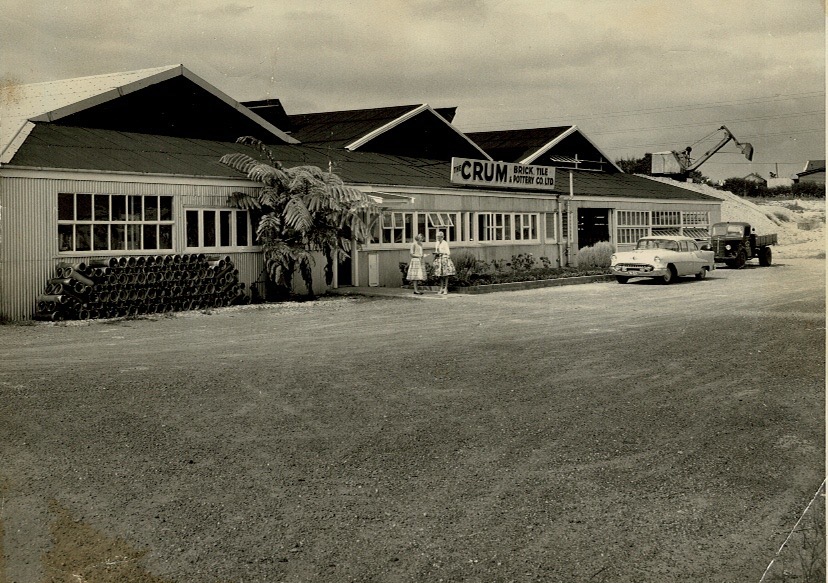
Arriving in New Lynn in 1905, the Crum family quickly became one of West Auckland's most successful brick and pipe makers. Below is their story.
October 1863 – Albert Crum is born in the Forest of Dean, the third son of Welsh Stone Mason John Crum Jnr and his wife Susannah Mercy.
1878 – John, seeing better prospects for his family in New Zealand, decides to emigrate with his wife and several children. The family arrived at Port Lyttleton on Christmas Eve aboard the Marlborough, and shortly afterwards move to Ashburton.
1879 – The Crum family settle in Ashburton. John Crum builds a brick home for his family with the aid of his sons (including 15-year-old Albert). They dig the clay, mould it, and burned it for use.
1888? – Albert is employed by the Andrews family, who operate a brickworks in Hampstead. Under their employment he designs plans for and builds a massive smokestack for one of the local grain works.
1895 – Albert and his father John purchase the Kolmar Brickworks from the Friedlander Brothers (Rudolf, Hugo, and Max). First making only bricks and field tiles, he expands this business over the proceeding ten years. By 1905 he has roughly 25 men in his employ.
Mid 1905 – Albert, a successful bricklayer / contractor turned brickworks owner and manager in Ashburton get tired of the recently stagnant growth of his business. He goes on a brief trip to Auckland to see several other works there. News of this trip makes its way to Hugo Friedlander (the brickworks previous owner), a highly successful grain merchant and former mayor of Ashburton. Hugo suggests they go into partnership in Auckland, with funding to set up the most up to date works in the country. Albert accepts, and the Ashburton works are sold to his younger brothers Oliver and Frank, and Albert’s close friend Lauritz Dyhrberg.
Sep/Oct 1905 – Crum and Friedlander purchase a works already set up and being run by Messrs Thompson and Gardner, which is situated on the corner of Clark Street (then known as Brick Lane) and Totara Ave.
1906 – The New Zealand Brick, Tile and Pottery Co. Ltd. is officially opened after a year of preparation and improvement on the site.
1908 – The New Zealand Brick, Tile and Pottery Co. get the contract for the base of Auckland Grammar school – specifically making a glazed brick with a textured, bark like pattern to prevent graffiti and schoolboy doodling.
1925 – Thomas Edwin Clark from R O Clark’s Pipework's in Hobsonville attempts to purchase Crum and Friedlander's works but is unsuccessful on this first attempt.
1927 – Thomas Edwin Clark makes two more attempts to purchase the NZ Brick, Tile and Pottery Co. from Crum and Friedlander. Albert Crum initially rebuffs but is convinced by Friedlander on the third offer. Both men are brought out, but Crum remains on as works manager and retains 10% of shares. He also signs an agreement promising to not start or operate another works in the Auckland region for 25 years.
1929 – The New Zealand Brick, Tile and Pottery Co. is absorbed into Clark’s Amalgamated Brick and Pipe Company.
1929 – Thomas Edwin Clark refuses to hire Albert Crum’s youngest son Gordon, which highly infuriates Albert. In response to this, Albert instructs Gordon to acquire or set up a works with his financial backing. An attempt is made to purchase Exler’s flowerpot business in Avondale but is unsuccessful. 15 acres is then brought on the corner of Great North Road and Portage Road. Gordon, with the aid of his brothers Harry and Colin (and later Jack) and two other men (including Gordon Exler), begin reclaiming land for the works using horses and scoops. It takes them a year to clear the site and set up the new works – The Crum Brick, Tile and Pottery Co. Ltd. Which initially is purposed to make flowerpots, roof tiles, and power conduits. The works is established with 25,000 pounds ($50,000) capital. Albert Crum leaves his position as Works Manager at Amalgamated, joining his sons at Crum Brick, Tile and Pottery Co.
1931 – Bricks start being produced.
1932 – After the Napier earthquake, Albert Crum comes up with and patents an experimental slotted reinforcing brick, named the “Quakeproof Brick” (which was more resistant, but not quakeproof). The design gains approval from the Auckland Council and manufacturing rights are also given to Amalgamated Brick and Pipe Co. with royalties per thousand (five shillings) going back to Crum Brick, and Tile. These royalties helped keep the business afloat during the depression years.
1934 – The first sale of flowerpots is made.
1935 – Crum's brickworks start producing salt glazed pipes and field tiles.
1936 – The market starts to reopen after the Great Depression. By years end Crum’s have 51 men in their employ.
1950 – Albert Crum officially retires but continues coming in daily to draw up plans and improvements for the machinery in use at the works.
1951 – Albert Crum passes away at 88 years old.
1960 – Crum's have 65 men in their employ.
1965 – Gordon Crum (the Managing Director) passes away at 59 years old.
1972 – Harry Crum passes away at 75 years old.
1975 – Crum Brick, Tile and Pottery Co Ltd is purchased and rejoins the Amalgamated Brick and Pipe Co (now known as Ceramco), whom they set up in opposition to. The works continue under Ceramco’s ownership for a few years before closure.
1979 – Jack Crum passes away at 78 years old.
1980 – Colin Crum passes away at 81 years old.
Written and researched by Campbell Brosnan, great-great-grandson of Albert Crum.